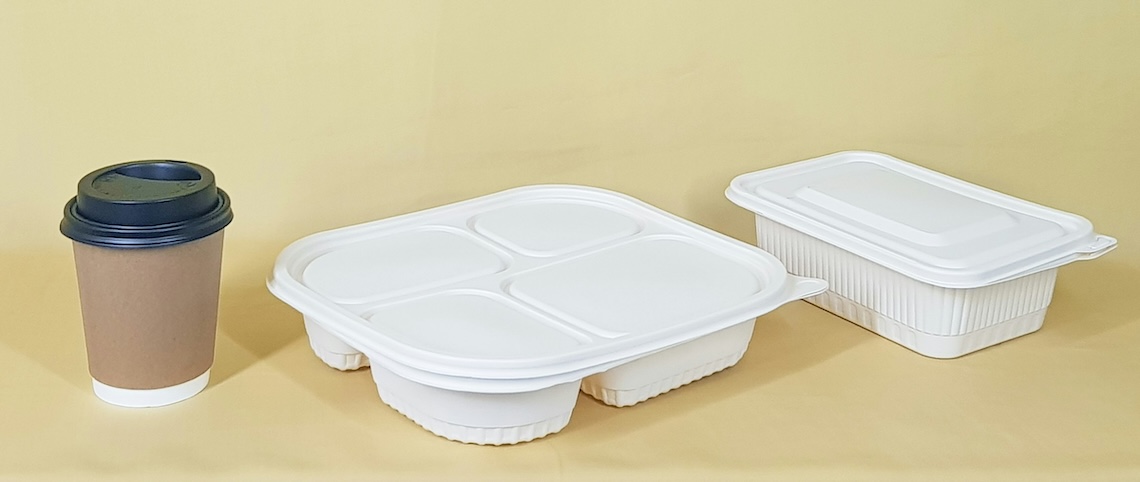
Single-use food packaging like these takeout containers and coffee cups would be covered under California's SB 54, which requires producers to fund recycling and waste-reduction efforts. Photo by Agenlaku Indonesia on Unsplash
Written by Denine Currie
With one week remaining in California’s legislative session, Fresno-area lawmakers have joined labor unions, agricultural groups and restaurant advocates in a push to delay fees associated with the state’s sweeping packaging-waste law.
Assemblymember Esmeralda Soria (D-Fresno) and Sen. Melissa Hurtado (D-Bakersfield), whose district includes portions of Fresno County, were among 23 lawmakers who signed an Aug. 19 letter to Senate President pro Tempore Monique Limón and Assembly Speaker Robert Rivas. Assemblymember Jasmeet Bains (D-Bakersfield) also signed the letter.
Lawmakers seek two-year fee delay
The lawmakers asked the Legislature to delay assessment and collection of fees under Senate Bill 54 in 2026 and 2027 while lawmakers consider changes to the program. They also called for a reform package during the 2027-28 legislative session and increased legislative oversight of implementation and fee setting.
SB 54, signed into law in 2022, established an extended producer responsibility program for single-use packaging and plastic food-service ware. Producers are responsible for funding the system, which is intended to reduce packaging waste and increase recycling.
The lawmakers said they support the state’s recycling and waste-reduction goals but are concerned about the program’s costs and implementation.
“We would rather take the time now to get this right than implement a program that falls short of its own goals while straining household budgets,” the lawmakers wrote.
Unions join the call for a pause
The push has expanded beyond business and agricultural groups. Teamsters California and the United Food and Commercial Workers Western States Council have also called for a pause.
“Our members grow, process, deliver and sell the food and products California and the nation depend on,” Matt Broad, legislative advocate for Teamsters California, and Mark Ramos, president of the UFCW Western States Council, wrote. “Getting this program right matters more than getting it done fast.”
The unions raised concerns about the effects of packaging changes on food safety, spoilage and jobs in food distribution, dairy and agriculture.
Environmental groups push back
Environmental groups oppose any delay. Nick Lapis, director of advocacy for Californians Against Waste, told CalMatters that Californians already bear the cost of plastic pollution through higher garbage bills, cleanups of polluted beaches and waterways, and harm to the environment and public health
Sen. Ben Allen, a Los Angeles County Democrat who authored SB 54, said plastic producers should be held accountable for the waste they generate.
Valley businesses could feel effects
The debate has particular significance in the Central Valley because agriculture, dairy and food processors rely on packaging throughout production and distribution.
The California Restaurant Association is also seeking changes to the program.
“The CRA is not against the concept of an extended producer program, but this specific program, and the costs recently made publicly available, are nothing short of a disaster for neighborhood restaurants,” said Matthew Sutton, senior vice president of government affairs and public policy for the association.
What the program could cost
CalRecycle’s updated economic analysis estimates SB 54 implementation will cost about $21 billion over 10 years. It estimates an average annual household cost of $190 under an assumption that producers pass 100% of implementation costs along to customers. CalRecycle notes that businesses may not be able to pass along the full cost.
Circular Action Alliance, the nonprofit producer responsibility organization selected to administer the program, submitted its proposed implementation plan in June. CalRecycle oversees the program and must approve the plan before full implementation.
The Legislature is in its final floor-session period, with Aug. 31 the last day for each house to pass bills.
Related Posts
-
 Fresno-area lawmakers push to delay California packaging fees Posted: August 24, 2026 at 11:09 am
With one week remaining in California’s legislative session, Fresno-area lawmakers
Read more » -
 Madera casino’s dining lineup includes Fresno’s Fuego, flagship steakhouse Posted: at 10:48 am
Fresno's Fuego Mexican Kitchen among eight venues at the Madera
Read more » -
 Tiki is coming back to Fresno, this time at Sequoia Brewing Posted: at 10:17 am
The North Fresno brewery plans a tropical bar tucked in
Read more » -
 Why authorities say the Fresno prosecutor stabbing was targeted Posted: August 21, 2026 at 4:56 pm
The man accused of stabbing a senior Fresno County prosecutor
Read more »
Central Valley Biz Blogs
-

BLOG: Our FOBA winners have deep roots. Here are the people who planted them
Posted: at 1:31 pm
In 1908, a woman named Leota Bigelow wanted to talk
Read more » -

BLOG: 140 years, five generations, one mission
Posted: August 19, 2026 at 3:30 pm
There are very few moments in a company’s history that
Read more »