Share:
Fresno County property owners will have a new tool to help prevent deed and mortgage fraud under an ordinance approved by the Board of Supervisors.
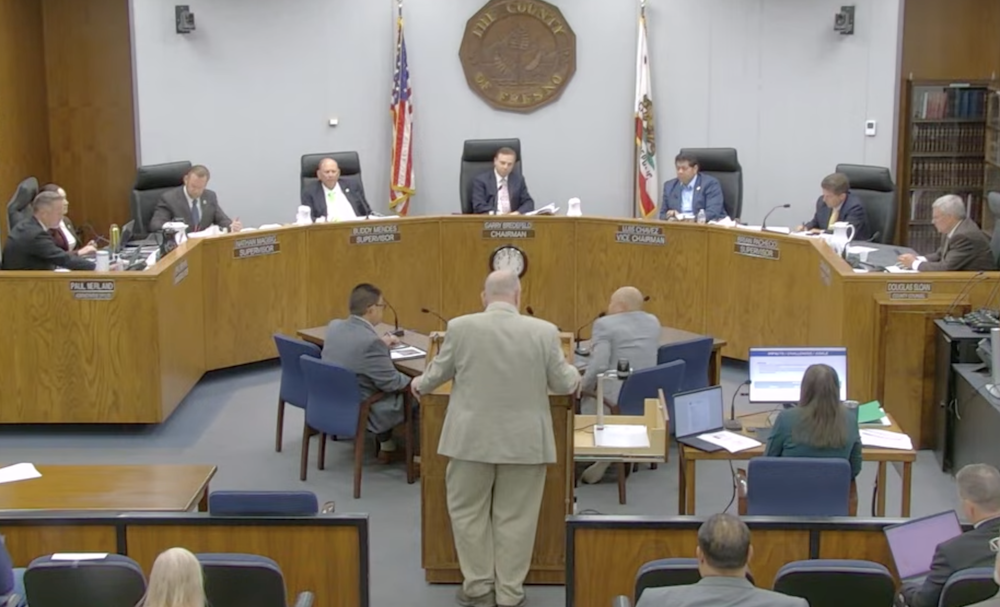
The board approved the Real Property Fraud Prevention Notice Ordinance on Sept. 8. The ordinance, proposed by Assessor-Recorder Paul Dictos and Supervisor Buddy Mendes, takes effect Oct. 8.
The ordinance comes amid a federal warning about criminals impersonating owners of vacant property and attempting to sell the land without the owners’ knowledge or consent.
The FBI issued a public service announcement June 16 warning that scammers are using fake identification, email addresses and internet-based phone numbers to pose as landowners. Criminals may obtain property owners’ personal information through public government websites, data brokers, stolen accounts, phishing schemes or other sources.
The county’s new notice allows property owners to place a warning in the public record asking title and escrow professionals to take additional precautions before accepting a deed or completing a loan involving the property.
Under the notice, professionals handling a transaction are asked to verify the signer’s identity through a qualified title company, require identification and a thumbprint from the notary, send proceeds only to a title-company-verified account and contact the property owner before closing using separately provided contact information.
Fresno County said it is the first county in California to adopt an ordinance of this type and is encouraging other counties and the state to implement similar protections.
The county already operates a free Property Owner’s Protection Alert service that emails subscribers when a document is recorded involving their name. The program has more than 5,000 subscribers.
The FBI also recommends that property owners check whether their county recorder or similar local office offers a notification service that sends an email or text when a legal document is recorded using their name.
Federal authorities have identified several warning signs of potential parcel-owner impersonation. They include sellers who communicate only electronically and refuse to meet in person, pressure to close a transaction quickly, provide inconsistent information about a property or request that proceeds be wired to an account under a different name or in a location unrelated to the property.
Property owners who believe they have been victims of the impersonation scam can file a complaint with the FBI’s Internet Crime Complaint Center at IC3.gov.