
Written by Carole Goldsmith
As the aviation industry grapples with historic workforce shortages and persistent equity gaps, community colleges are emerging as critical gateways to opportunity, making high-paying aviation careers accessible to students who have long been excluded.
Few sectors illustrate both promise and pressure as vividly as aviation. Airlines and maintenance providers are racing to fill cockpits and hangars, with CAE’s 2025 Aviation Talent Forecast projecting the need for more than 1.4 million new professionals over the next decade, driven by fleet growth, rising travel demand, and retirements. Boeing echoes this trend, estimating global demand for 660,000 new pilots and 710,000 maintenance technicians by 2044. Yet the high cost of flight training continues to be a major barrier, keeping many aspiring professionals from entering the field.
Beneath the radar, a new flight path is emerging, one that is being charted by community colleges. Unlike traditional flight schools, which often require students to pay out-of-pocket and up front, a growing number of community college programs are Federal Aviation Administration (FAA) approved and eligible for federal financial aid. This distinction can significantly reduce costs for students and create new opportunities that were previously out of reach.
Reedley College’s Flight Science program exemplifies this shift. As one of the state’s only FAA-approved, financial-aid-eligible aviation programs, Reedley offers training in piloting, maintenance and aircraft mechanics using a fleet of owned single- and twin-engine aircraft at Reedley Municipal Airport.
Students can earn their private, instrument, commercial, and flight instructor certificates in as little as two years, all while paying a fraction of the cost charged by private academies. “Flight training has always been out of reach for most people because of cost. We designed this program around access, ensuring students can pursue aviation,” says Jaime Luque, flight science program coordinator at Reedley.
What sets the Reedley College Flight Science program apart is its intentional design to support students at every stage of their journey, especially those entering aviation for the first time. The curriculum is structured to accommodate individuals with no prior flying experience, guiding them step by step from foundational knowledge to advanced skills.

This approach reflects a broader pattern across State Center Community College District (SCCCD), where programs are often built to help students move gradually from introductory coursework into specialized training. Over the course of six semesters, students progress through a carefully sequenced mix of academic coursework and hands-on flight training. By systematically preparing students for each required FAA certificate and rating, the program ensures that, upon graduation, they leave with a commercial airplane pilot certificate and a flight instructor certificate in hand.
This clear, supportive pathway does more than just open doors to piloting careers. It also equips graduates with the credentials needed to immediately begin work as flight instructors, a common entry point into the industry that allows new pilots to continue building experience and flight hours while earning a living.
The breadth of training at Reedley means students are not limited to a single career track. Whether they aspire to fly for major airlines, serve as corporate or air taxi pilots, participate in agricultural aviation or take on specialized roles like aerial firefighting and rescue operations, graduates leave prepared for a wide range of in-demand, high-skill opportunities. This versatility, combined with a focus on accessibility and affordability, makes Reedley’s program a model for how community colleges can help reshape the aviation workforce for the better.
These programs help address the urgent workforce needs of an industry in crisis while opening pathways to high-wage, high-demand careers for more students. As enrollment grows, the field evolves, becoming more innovative and better equipped to meet future challenges.
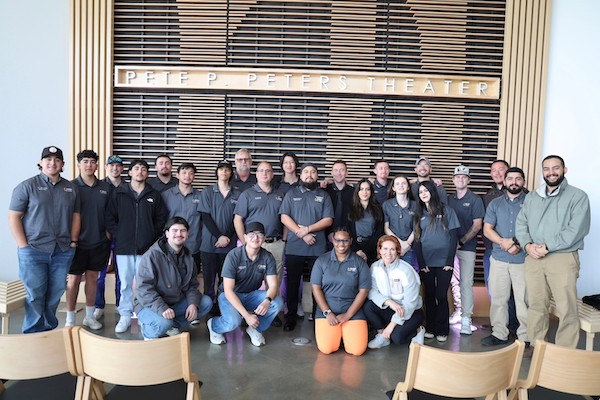
Community college aviation programs like Reedley’s are not just filling jobs — they are redefining workforce development in America. Many, like Reedley, partner with local airports, airlines and aviation manufacturers, ensuring that curricula align with the skills employers need. This nimbleness not only enhances job placement for graduates but also positions community colleges as essential partners in building a diverse and future-ready aviation workforce.
The challenges facing aviation are significant, but solutions are within reach. By making high-quality, FAA-approved training accessible and affordable, community colleges like Reedley are helping prepare the next generation of pilots, mechanics and aviation professionals. This is not just about workforce numbers; it’s about building the skills and expertise needed to keep the industry moving forward.
Reedley College’s Flight Science program highlights a growing investment in forward-looking programs, helping students align their education with the needs of the future workforce, ensuring they are prepared for the opportunities ahead.
As aviation looks to the future, it should recognize community colleges not merely as training grounds, but as essential launchpads for a stronger, more resilient workforce.
Dr. Carole Goldsmith is chancellor of State Center Community College District.
Related Posts
-
 BLOG: California’s new governor must hold down clean energy costs, drive innovation Posted: March 4, 2026 at 7:08 am
This commentary was originally published by CalMatters. Sign up for their newsletters. The
Read more » -
 BLOG: From a farmer who’s been there — immigration reform can’t wait Posted: March 2, 2026 at 4:45 pm
Dear President Trump and Congress, This has gotta stop. It
Read more » -
 BLOG: Preparing for the next wave of franchise mergers and acquisitions Posted: at 2:22 pm
After two years of subdued activity, the franchise M&A market
Read more » -
 BLOG: Fresno families caught in the middle as Blue Shield, Community contract standoff drags on Posted: February 26, 2026 at 4:06 pm
A contract dispute between Blue Shield of California and Community
Read more »
Central Valley Biz Blogs
-
BLOG: California’s new governor must hold down clean energy costs, drive innovation
Posted: March 4, 2026 at 7:08 am
This commentary was originally published by CalMatters. Sign up for their newsletters. The
Read more » -
BLOG: From a farmer who’s been there — immigration reform can’t wait
Posted: March 2, 2026 at 4:45 pm
Dear President Trump and Congress, This has gotta stop. It
Read more »