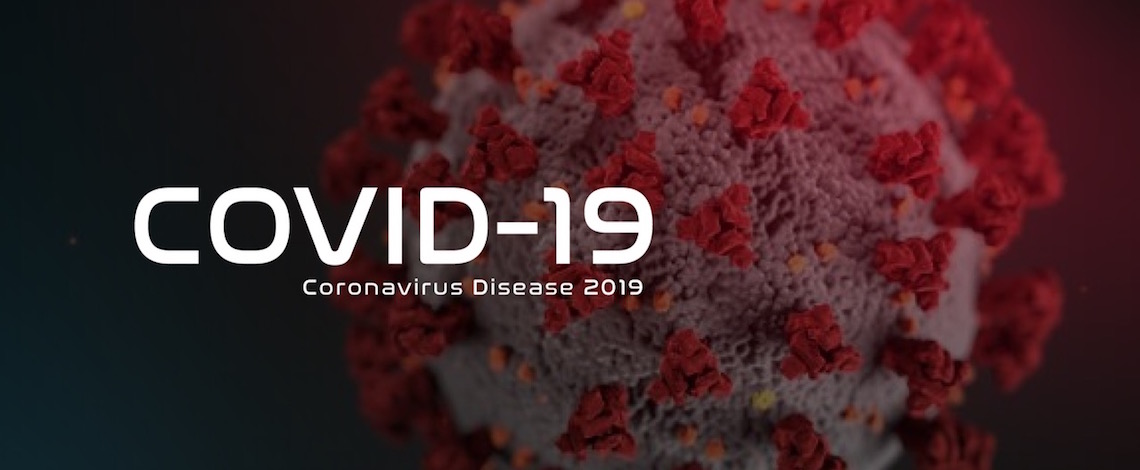
U.S. Air Force Graphic by Rosario "Charo" Gutierrez
Written by Alex Scott
After three years of navigating the COVID-19 pandemic, California Governor Gavin Newsom let lapse the emergency declaration on Feb. 28.
As counties across the state transition away from operating under this declaration, many wonder what this means for free COVID-19 resources and question if these services will now come at a cost.
Removal of the declaration came as the state saw less infection and the impact on daily life decreased. With increased immunity, mask mandates across the state were lifted and much of daily life returned to normal, with both schools and jobs returning in person.
Joe Prado, assistant director for the Fresno County Department of Public Health, shared that more changes will come to Fresno County, but the services that have helped combat the virus will not disappear outright.
As local entities begin to roll back free services, such as vaccines and testing, one change many individuals will need to prepare for is that many insurance companies will no longer reimburse testing under certain circumstances.
Effective Jan. 1, 2022, California Insurance Code section 10110.7 required that health insurers must cover COVID-19 testing, including any related fees such as cost sharing from offices or urgent care visits for test administration. According to the California Department of Insurance, health insurers must cover testing from any provider regardless of what network the patient has. Additionally, on Jan. 10, the Biden Administration required health insurers to cover free at-home tests without an order from a provider.
It is unclear as to when these requirements will change and patients will be expected to pay for testing services, but Prado encourages the public to review their insurance policy and speak with their doctor about these changes.
“Everybody in Fresno County needs to be aware when they go to see a doctor, insurance companies here shortly will not reimburse for testing under certain circumstances,” said Prado. “So, it’ll be really good for everyone to check their insurance policy to see whether or not that COVID test will be covered or reimbursed.”
As the pandemic slowed, the Department of Public Health and other health care facilities no longer need to have an emergency supply of COVID-19 vaccines.
When the pandemic was in full swing, local health care partners acquired vaccines via special approval given by the state. During that time, health care facilities received direct shipments of the vaccine at a high volume to meet the demands of the increasing cases the county was experiencing.
However, now that the pandemic has slowed, vaccinations have been administered at the same rate as before. As a result, local pharmacies and other health care facilities don’t receive the high volume of vials as before; and when they need a vial the Department of Public Health provides supply from its inventory.
“When there was already a high volume, let’s say 100 vials or so, they were able to receive those shipments directly — but nobody is vaccinating at that high amount, so they just need one or two vials,” said Prado. “They come down to our building, and we provide that inventory from our refrigerators and freezers.”
Transitioning to services at cost will not be an easy task for some, especially those in lower income communities or those that don’t have health insurance. Prado ensures that, in order to minimize those barriers, the department will continue to invest in its robust distribution network of flu and COVID-19 vaccines for the most vulnerable in the community.
“We’re going to try to minimize that impact to our disadvantaged communities by going after some of that free vaccine and getting it available to all of our disadvantaged communities, but that access to health care is always going to be key,” said Prado.
According to Prado, the county saw success with the mobile health sites and clinics established over the last three years, but the push from local pharmacies to get vaccinated helped the county vaccinate over 60% of its population.
“A lot of people like going to their local pharmacies to get vaccinated because of the convenience of having them around the corner,” said Prado. “We’re going to want to be able to recreate some of that in the future when we think about vaccinating our population.”
Additionally, Madera County Department of Public Health will continue working to provide services to the most vulnerable communities using the Public Health Clinic and Mobile Health van. If insurance is available, it will be billed. But if no insurance is available COVID-19 vaccination services are still being provided at no cost at the Public Health Clinic and Mobile Health van events and locations.
“As demobilization goes underway public health is committed to providing available resources and services while assisting the community in transitioning COVID-19 services into our normal community health care system,” wrote a Madera County Department of Public Health spokesperson. “All our locations including our mobile locations are being trained on referral methods for connecting people to care including primary care physicians, family care practices, and pediatric care needs.
Data from the official California State Government website shows the rate at which local counties have administered completed doses of the COVID-19 primary vaccine series, as of March 17.
Fresno County: 629,474 people, 61.6% of its population.
Kings County: 71,231 people, 45.9% of its population.
Madera County: 88,173 people, 54.7% of its population.
Tulare County: 260,535 people, 54.1% of its population.
Related Posts
-
 Valley Children’s Healthcare honored as a top place to work Posted: March 10, 2026 at 4:37 pm
Valley Children’s Healthcare has been named to Becker’s Healthcare’s 2026
Read more » -
 Adventist Health Hanford birth center marks 10 years and 23,400 deliveries Posted: March 3, 2026 at 4:15 pm
The Adventist Health Hanford Birth Center will celebrate its birthday
Read more » -
 High demand on Blackstone drives Fresno urgent care expansion Posted: at 3:50 pm
Accelerated Urgent Care is preparing to expand one of its
Read more » -
 BLOG: Fresno families caught in the middle as Blue Shield, Community contract standoff drags on Posted: February 26, 2026 at 4:06 pm
A contract dispute between Blue Shield of California and Community
Read more »
Central Valley Biz Blogs
-

BLOG: The Central Valley — California’s manufacturing bright spot
Posted: March 13, 2026 at 2:07 pm
If you follow the headlines, you might conclude that manufacturing
Read more » -

BLOG: California’s tribal casinos trample smaller cardrooms with new regulations
Posted: March 11, 2026 at 9:18 am
While writing a book about California politics a quarter-century ago, I devoted
Read more »